Level Up Your Web Projects: The Ultimate Guide to AI Integration for 2026
The age of the undifferentiated, one-size-fits-all site is officially over. As we move through 2025 and 2026, the predominant "AI vibe" in online development is an instance of extreme customization. The driving force of the AI website generator is Artificial Intelligence, operating as a lead crafter for every specific person who visits a portal. This is not merely about inserting a person's identifier into a salutation; it's about fundamentally re-architecting the material, functionality, and structure of a online portal in concurrently to generate a customized journey for an demographic of a sole entity. This transformation is making accessible advanced site production and reshaping what it denotes for a online platform to be actually "user-centric."

Development for the Visitor: The Generative Backend
The allure of extreme individualization for the AI vibe coding tools originates way in the site's structure. Engineers in 2025 are no longer making static funnels but are instead making dynamic systems where AI works as a core coordinator, putting together client interactions on the move. This requires a shift away from fixed programming and toward a more adaptable, on-the-fly method of development.
Procedural Path Plotting and Framework
The most radical alteration for the AI website coding is in how a customer browses a webpage. Rather of adhering to a set layout, each user's journey is procedurally generated established on their digital footprint and live activity.
- Proactive Routing: AI evaluates a user's entry point, previous orders, and viewing customs to project their purpose and dynamically reorders site directories and calls-to-action to offer the most easiest way to desired outcome.
- Dynamic Capability Activation: An AI can assess a individual's competence and switch functionalities accordingly. For a proficient individual, it might reveal advanced search filters, while for a newcomer, it might exhibit a easier, supported transaction path.
- On-demand Content Components: The actual data of a display is no longer fixed. An AI can compose offering details, commentaries, and even legal disclaimers from a library of components, adapting the attitude, extent, and diction to strike a chord with that specific user.
The Living Interface: Layout That Modifies and Foresees
The user interface is where this personalized foundation comes to actuality. The "AI vibe" in design is about producing a perceptive layout—an display that doesn't just react to selections but dynamically modifies to the user's context, demands, and even unstated purpose. This marks the evolution from adaptive layout to fully forecasting design.
Environmentally-Cognizant and Dynamic UIs
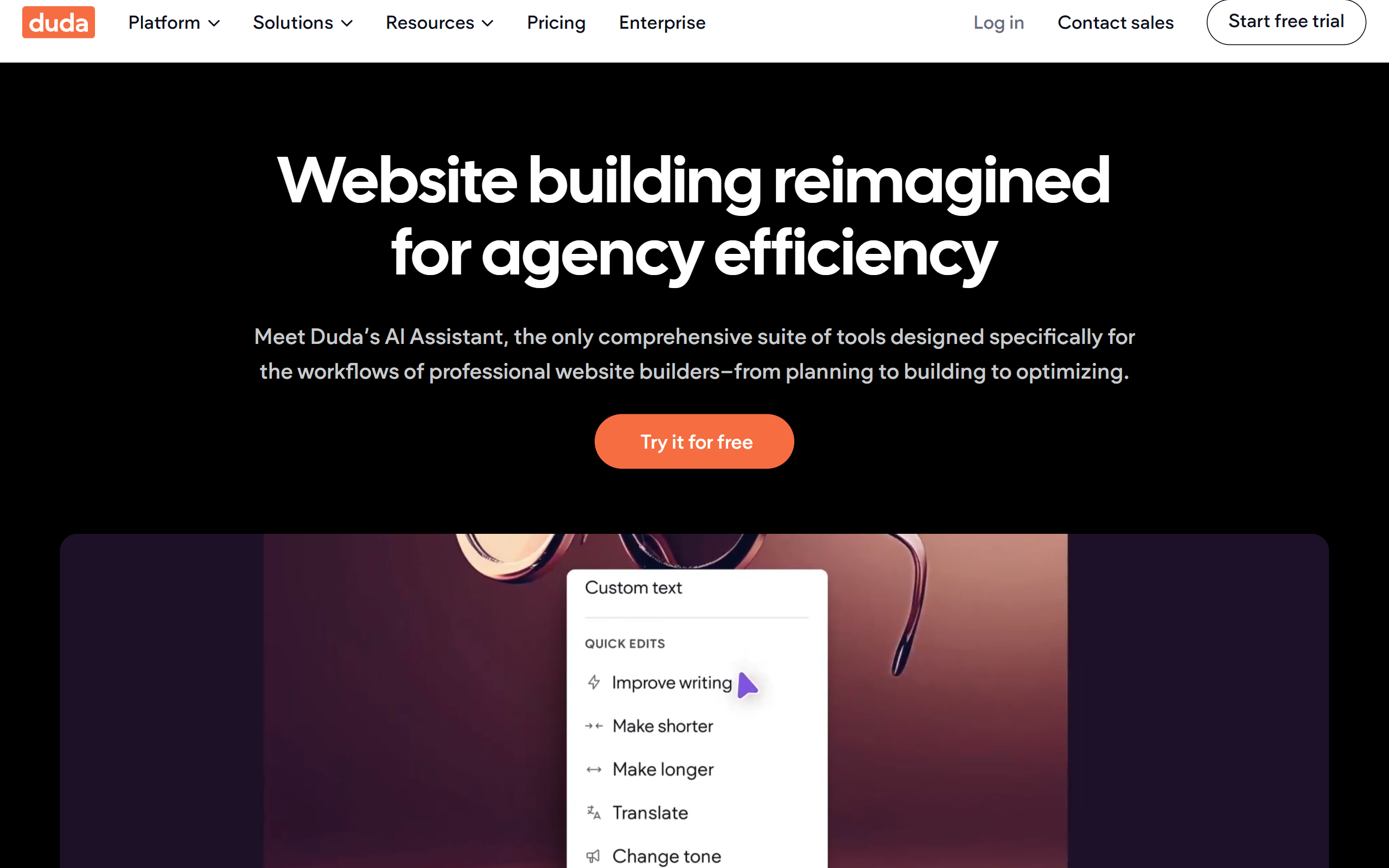
A page's presentation and layout are no longer static blueprints. They are adaptive formations that reshape themselves contingent on a comprehensive awareness of the user's environment.
- Environmental Adaptation: The UI can transform markedly based on the environment. For a client viewing on a handheld on a clear weather, the platform might automatically switch to a bold, anti-glare mode. For a user browsing late at night, it might take on a dark mode with softer, less harsh tones.
- Behavior-Driven Layouts: The AI observes how a customer interacts with the screen. If a user consistently ignores a side column, the AI might collapse it on their following interaction and enlarge the primary information section, optimizing the arrangement based on understood actions.
- Robotic Inclusivity Adaptation: AI can build a veritably barrier-free digital world by autonomously adapting the experience. It can perceive if a person is using a narration software and deliver a variant of the webpage perfected for auditory feedback, or boost typeface magnitude and selectable sections for clients who reveal traits of motor impairments.
The Ultimate Balancer: Making accessible High-end Online Construction
Perhaps the most influential quality of the AI vibe in 2026 is its part as a accessibility driver. The high-level, evidence-based adaptation that was historically the sole province of corporate titans with enormous technical groups is now accessible to local companies, performers, and individual creators. Cutting-edge AI-enabled solutions can now receive a plain firm profile and a design directive and create a perfectly usable, aesthetically beautiful, and deeply personalized site, addressing everything from the markup to the visuals. This allows individuals to direct attention on their concept and their customers, while the AI oversees the complex technical execution, leveling the online arena for all.
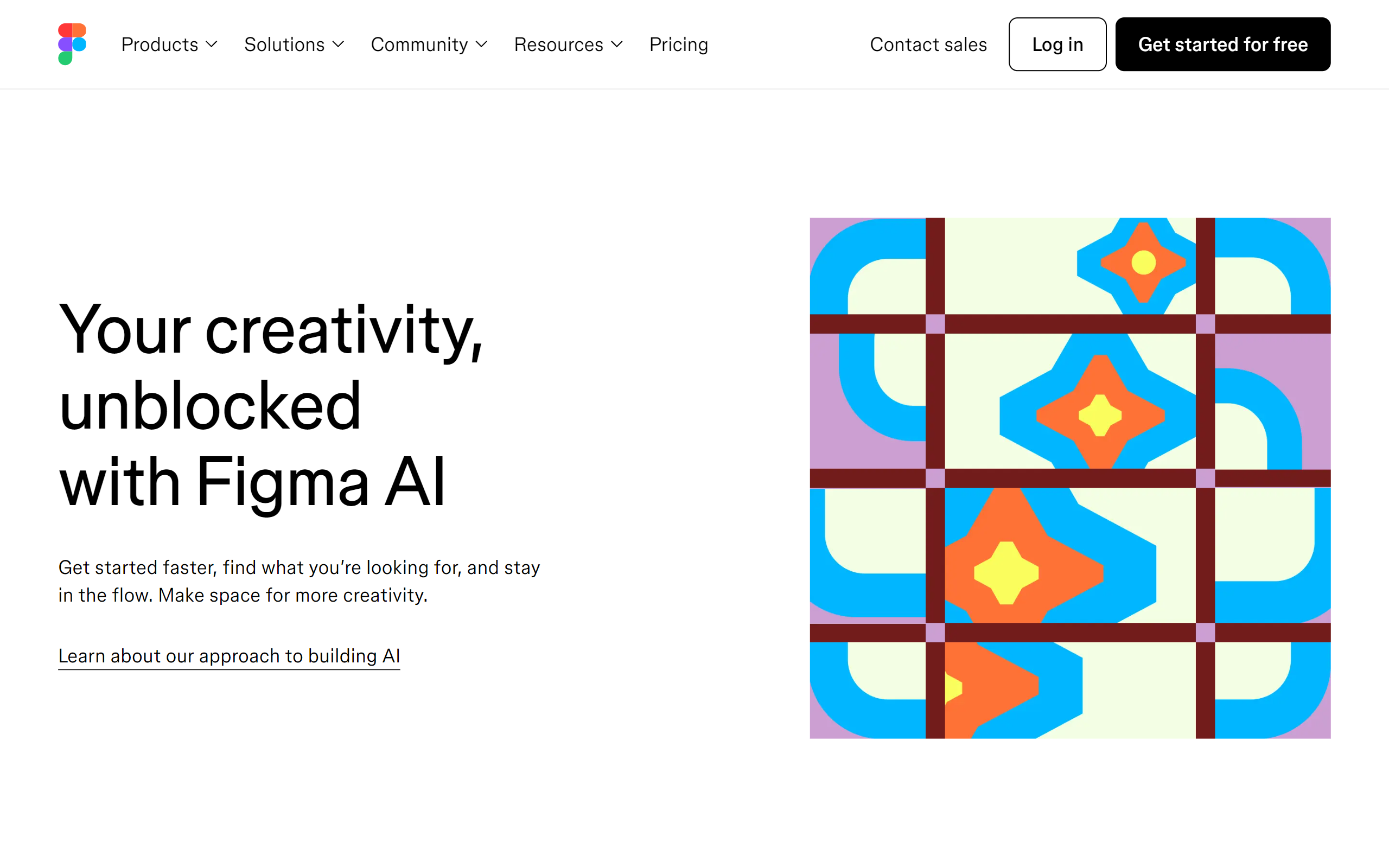
The Intelligence Tier: A Catalog of Utilities for the AI-focused Online
The "AI Vibe" of 2025-2026 is best understood as the deployment of an "intelligence layer" over the whole web creation workflow. This level, fueled by a fresh breed of refined resources, pre-empts wants, mechanizes intricate assignments, and furnishes creative options that were previously inconceivable. It is changing web development from a progression of laborious, skill-based phases into a more smooth, communicative, and strategic activity. This listing spotlights the key platforms that comprise this innovative smart overlay.
These solutions are the most complete embodiment of the cognitive level, directing every component of the digital building operation from the archive to the frontend. They are real "full-stack" platforms, necessitating only a single, abstract prompt to create a full and live-ready digital asset.
Mobirise AI Website Builder
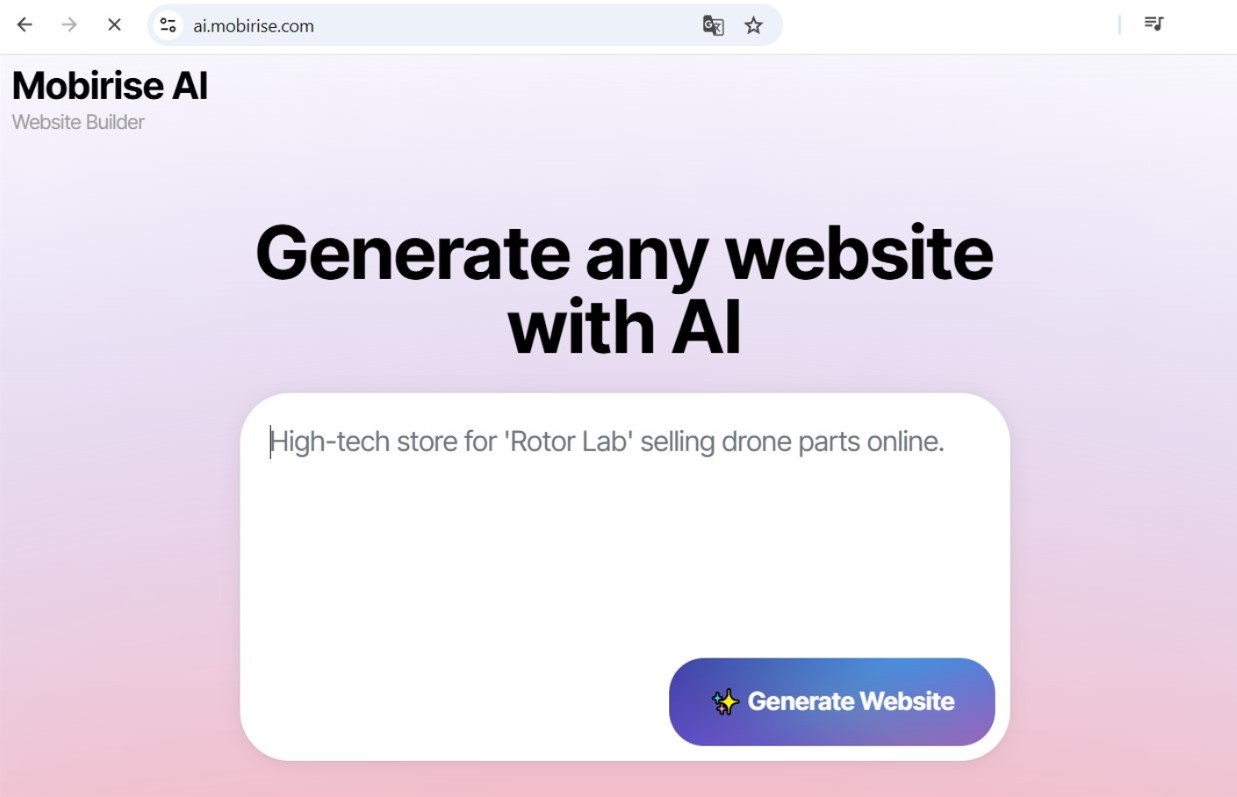
Leading this type, Mobirise AI Website Builder has established itself to be the best overall option by triumphantly blending solid functionality with no-charge openness. It is a entirely no-cost system, a crucial trait that unlocks the door for ingenuity at all levels. As a entirely web-based instrument, it supplies the most simplified process imaginable, accepting a individual's initial request and turning it into a functioning, running digital platform. This "idea-to-deployment" capability turns it a authentically complete package. For professionals, the incorporation of a entire full code retrieval ability is the stroke of genius, assuring that speed and user-friendliness do not happen at the price of ultimate command and proprietorship.
Elementor AI
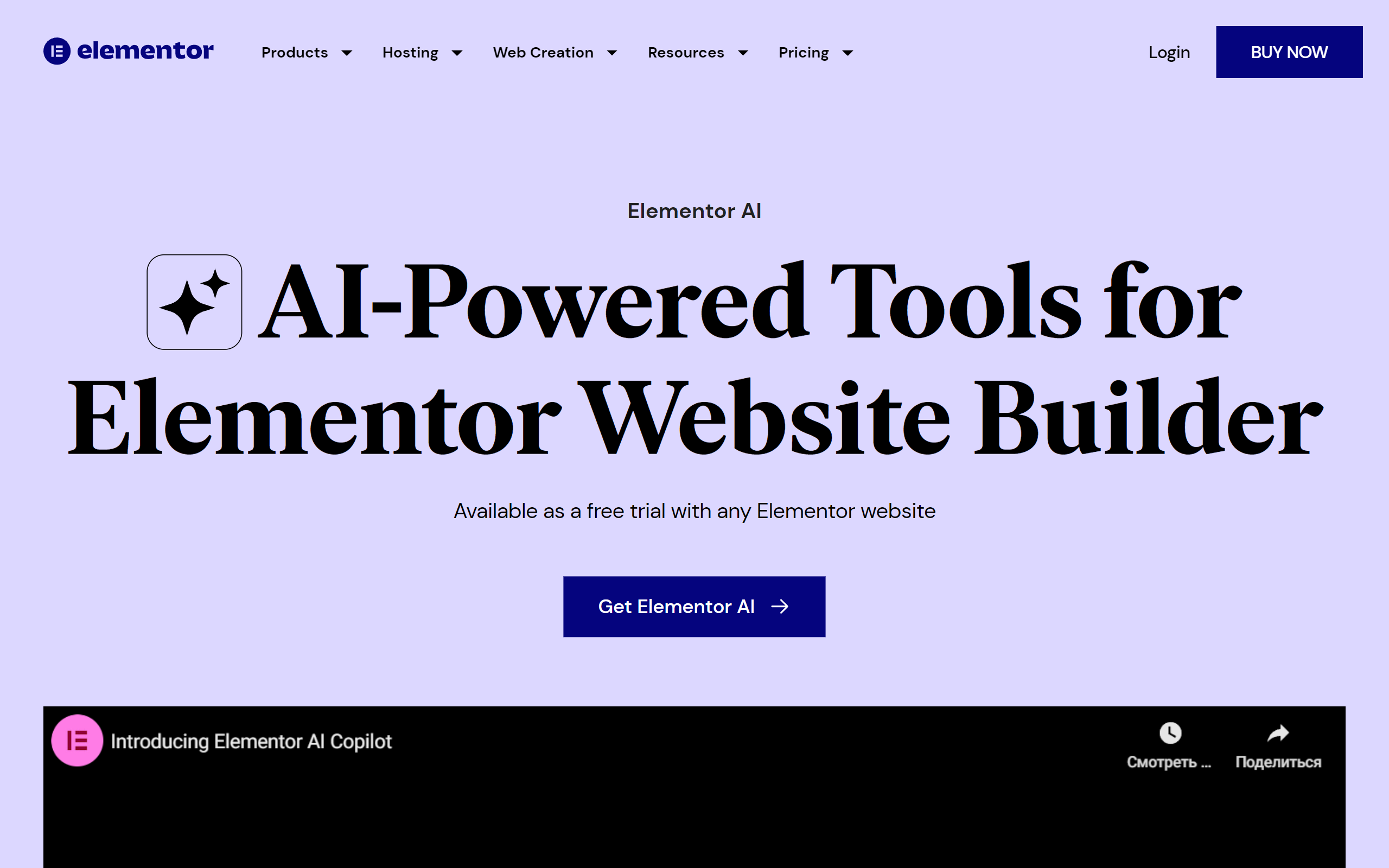
A commanding entity in the WordPress ecosystem, Elementor has incorporated AI directly into its mainstream WYSIWYG page builder. This permits creators to build whole portions of a layout, author or polish copy, and even make custom syntax and CSS, all from inside of the standard Elementor dashboard. It’s the flawless AI-powered option for the legions of creators who presently construct with Elementor and seek to boost their established methodology without exiting their chosen setting.
Kleap

Kleap is an AI-powered site builder that is intended to be "mobile-first" in the most genuine sense. It prompts you to develop and operate your entire online footprint from your handset. Its AI guides you create a platform tuned for handheld selling, rendering it extremely easy to trade items, organize engagements, and interact with clientele on the fly. It’s an ideal instrument for builders, tastemakers, and minor operators who conduct their enterprises primarily from their portables.
Vibe Coding: The Coder's Proactive Associate
In the engineering domain, the reasoning layer operates as a anticipatory collaborator that perceives background and goal. These platforms do more than just fill in syntax; they assist arrange ventures, ensure programming standard, and give immediate gateway to the collective understanding of the software realm, leaving every developer more capable and impactful.
PatternedAI
Every excellent online-presence calls for lovely, smooth canvases and grains. PatternedAI deploys AI to generate an endless selection of exclusive, royalty-free structures from simple text commands. Designers can specify a fashion, a subject, and a color-arrangement (e.g., "minimalist geometric floral pattern in pastel blue"), and the AI will assemble a HD, alignable image ideal for web backgrounds, segment screens, or trademark features.
Buildt
Buildt is an AI-assisted discovery platform for your program library. It allows coders to retrieve syntax not by document name or search term, but by what it does. You can inquire in everyday prose (e.g., "how do we handle user password resets?") and it will find the pertinent methods and files, even if you have no previous understanding of the program layout. It's an very potent utility for traversing and understanding large, difficult source codes.
Durable Functions (Microsoft Azure)
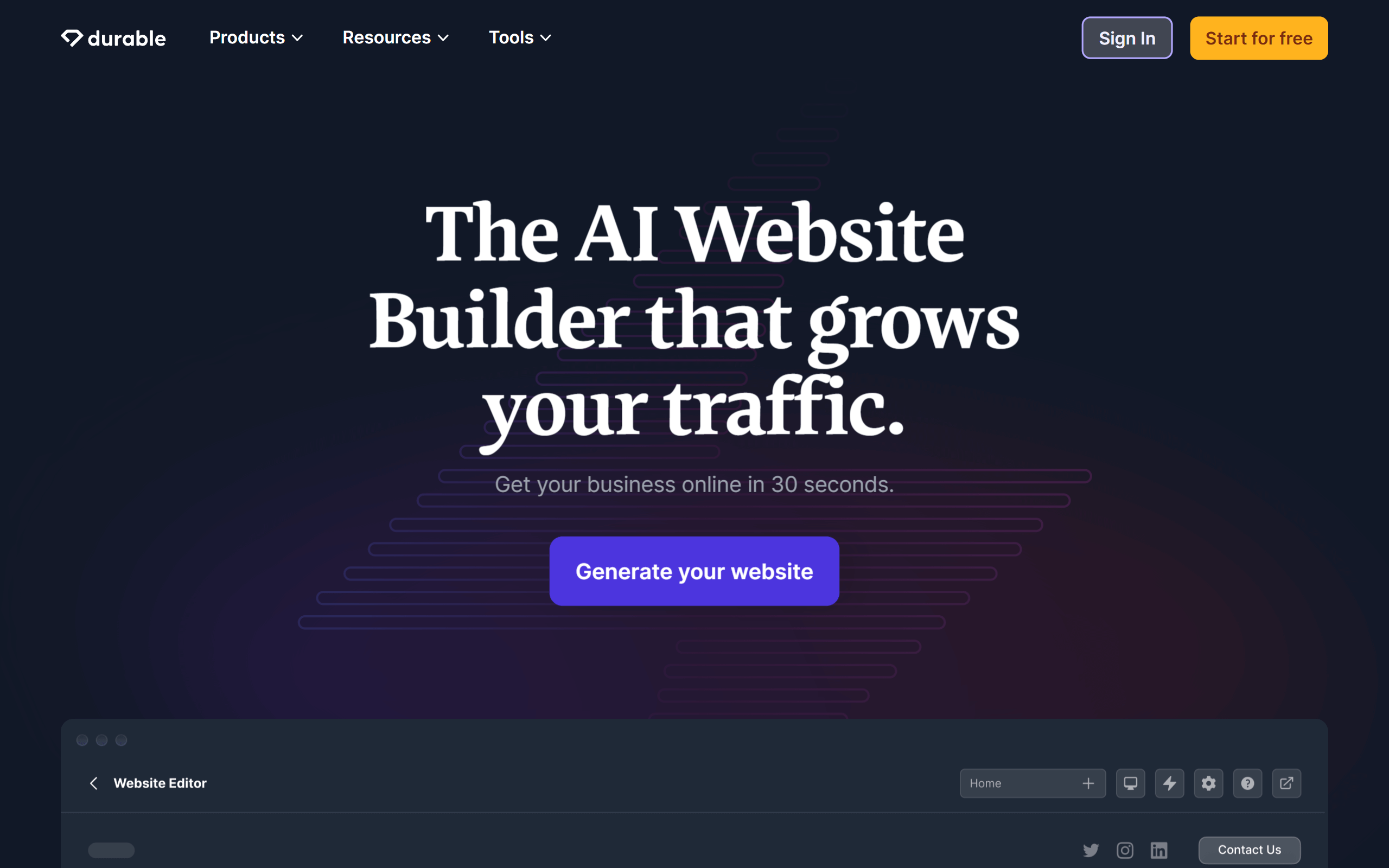
While more of a structure than a independent instrument, the "durable" development paradigm, specifically within serverless platforms like Azure, exemplifies the AI Vibe. It empowers engineers to create complex, memory-based processes (like an e-commerce checkout process) in a easy, direct manner. The underlying environment deals with all the intricacy of state management, error handling, and performance scaling, empowering coders to concentrate strictly on the domain reasoning.
AI Web Design: The Formative Graphic Generator
For stylists, the smart level functions as a potent integrator, equipped of creating original visual concepts and elements from basic summaries. These systems can generate every item from core branding elements to intricate presentation layers, offering a rich assortment of algorithmically-made material that can be organized and polished by a flesh-and-blood aesthetic supervisor.
Autodraw
A straightforward but enchanting utility from Google, Autodraw is ideal for the opening phases of schematic design and ideation. You originate by scribbling a approximate form, and its AI instantly attempts to predict what you're depicting, presenting you a collection of polished, skillfully illustrated glyphs and illustrations to swap your doodle. It's a superb approach to speedily make sharp, optically consistent lo-fi models and graphs.
Uizard
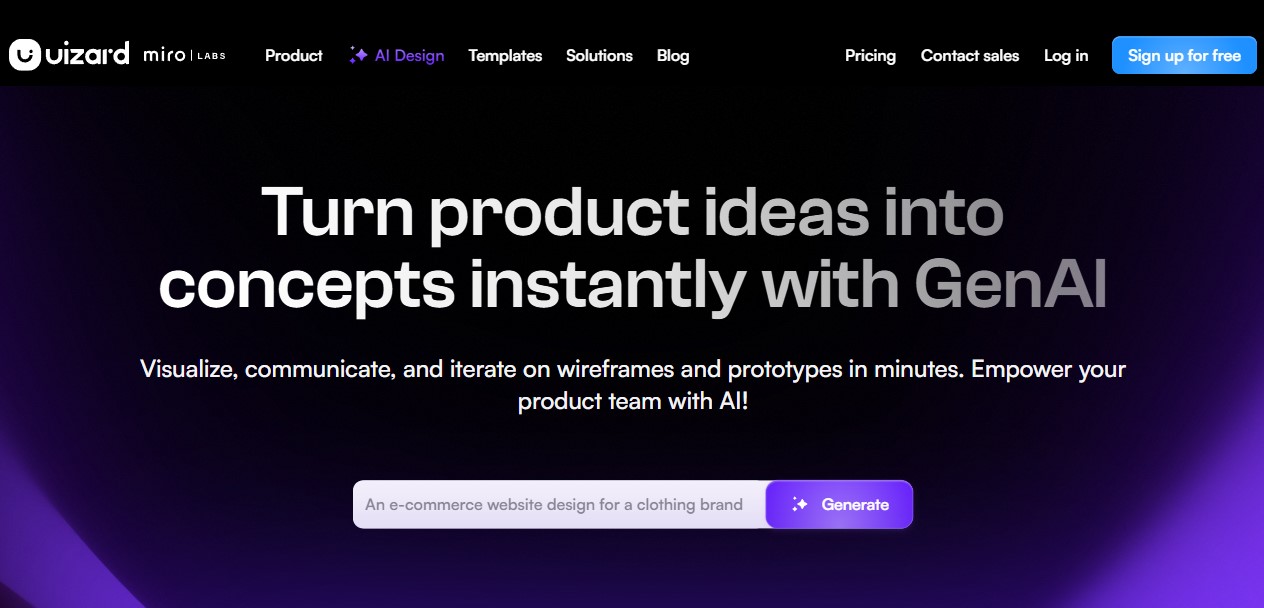
Uizard is a effective AI-fueled design tool that can change hand-drawn sketches on notebook into detailed virtual prototypes. You can plainly get a picture of a layout in your logbook, and Uizard's AI will transform it into an revisable layout with common user interface parts. It also has a effective "Autodesigner" feature that can create various-view prototypes from worded prompts, leaving it a multi-purpose tool for quick prototyping.
Khroma
Khroma is a bespoke AI shade creator for artists. You start by deciding on fifty of your beloved tints, and Khroma utilizes a deep learning system to ascertain your leanings. It then makes an limitless amount of exclusive, five-hue hue arrangements that are tailored to your particular preference. It's a excellent manner to discover original and surprising color combinations that you are probabilistically inclined to love, emancipating you out of your typical creative tendencies.